


From the Revolution through present-day Civil Rights, the Richmond area tells history’s story. As a longtime history writer, I was thrilled to return to Richmond and dig deeper into that history. As a city that is the capital of Virginia and was the capital of the Confederacy, it has a story to tell. From museums to historic homes and sites, this is a must-visit for history lovers.
The writer was hosted.
The Virginia Museum of History & Culture

Why go: The Virginia Museum of History & Culture is a perfect place to start your trip. It covers all of Virginia’s history. They have an introductory film to watch if time allows. One of my favorites here is the video of Patrick Henry’s famous speech.
What not to miss: From the exhibit onHokolesqua, the Shawnee leader who negotiating peace treaties with early settlers through “Give Me Liberty,” telling Virginia’s influence in the American Revolution, to “Our Commonwealth,” an interactive exhibit about the five major regions of Virginia in present-day life
She Buys Travel Tip: Parking fees are $5 for four hours and $1 every hour thereafter so if you can find a street parking spot do so. Metered spots are cheaper but time restricted. Metered parking is free on weekends. The Commonwealth Cafe is a good place for lunch or a snack.
Are you ready to explore off the beaten path? Let us inspire you!
SheBuysTravel Tip: Skip the airport stress — Lyft’s On-Time Pickup Promise guarantees your scheduled ride shows up within 10 minutes of your pickup time. If it doesn’t? You’ll get Lyft Cash. You can schedule up to 90 days in advance and even lock in your rate. Use code SBT25 to save 25% off ONE scheduled ride to the airport.
Hanover Tavern
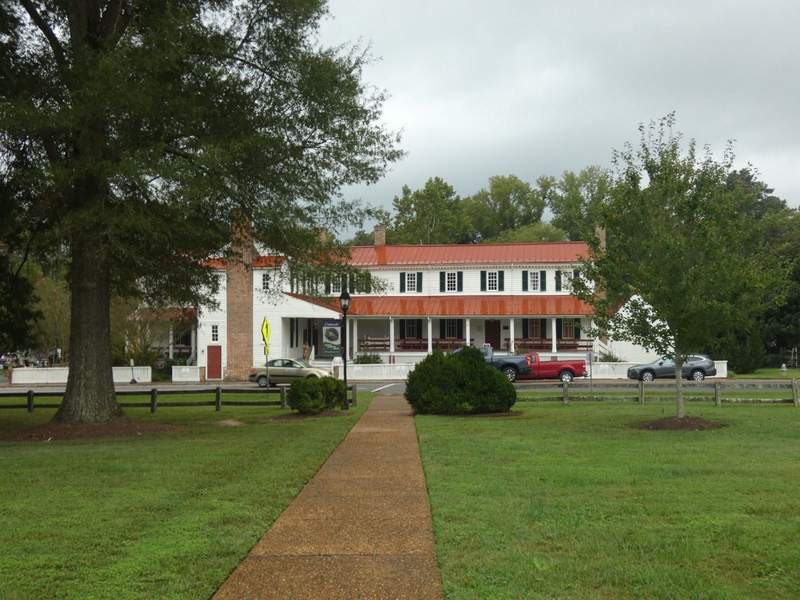
Why go: Hanover Tavern is an often-neglected part of history. This tavern was owned by Patrick Henry’s father-in-law. Henry and his family lived here for a time. The original tavern was rebuilt in the late 18th century, but some of the original buildings remain.
What not to miss: Take a guided tour. My guide, Brooke Adams, showed me two floors. The Barksdale Theatre, the oldest continuously operating dinner theater in the country. Some of my favorites are the colonial artifacts, candle-making equipment and a historic desk with a quill. The “Lady in Black” mannequin recalls the haunted history. Love the tavern’s exposed beams.
She Buys Travel tip: There is a restaurant here with a good reputation, but I attended during the Autumn Fest and had a hot dog and mac and cheese, and it was plain fair food.
Hanover Courthouse and Jail
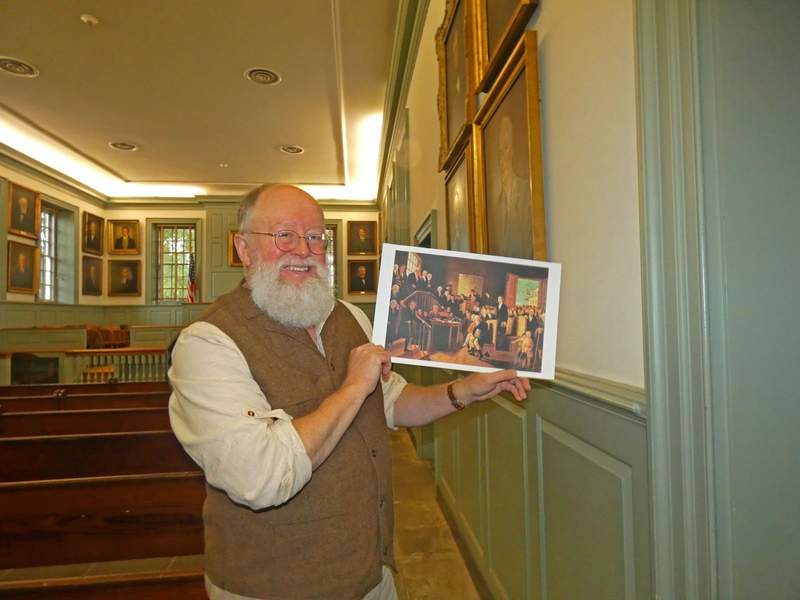
Why go: This is where Patrick Henry first began practicing law. The old Jail and courthouse are across the street from the tavern, which is where many famous people, including George Washington, visited.
What not to miss: The Old Jail has an iron-barred cell from colonial times and a small museum with artifacts ranging from native arrowheads to excavated tools. The Courthouse is set up as it would have been when Patrick Henry practiced law there. His portrait is behind the judge’s bench.
Scotchtown
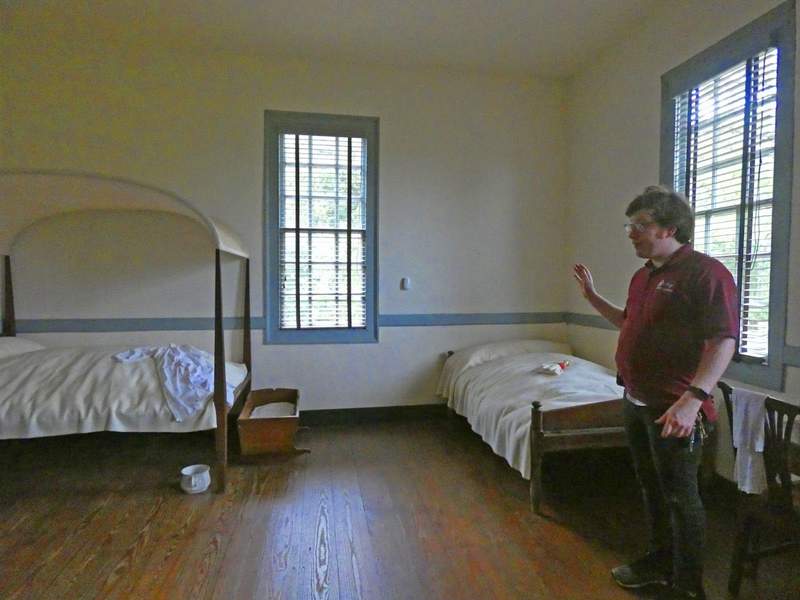
Why go: Scotchtown is Patrick Henry’s home, where he, his wife, Sarah, their six children and 20 to 30 enslaved people lived from 1771 to 1778. It’s the largest home Patrick Henry lived in.
What not to miss: Miller Bowe, who gave my tour, pointed out a painting of Henry in the museum/gift shop, and noted, “When he puts his glasses on top of his wig, you can tell he’s gonna go on the warpath. His speeches are animated.” Some interesting items in the house are a genuine 18th-century barrister’s wig and two desks and a chair that belonged to Henry.
She Buys Travel tip: Scotchtown is about 30 minutes from Richmond, and you will drive along some beautiful tree-canopied one-lane roads.
St. John’s Church
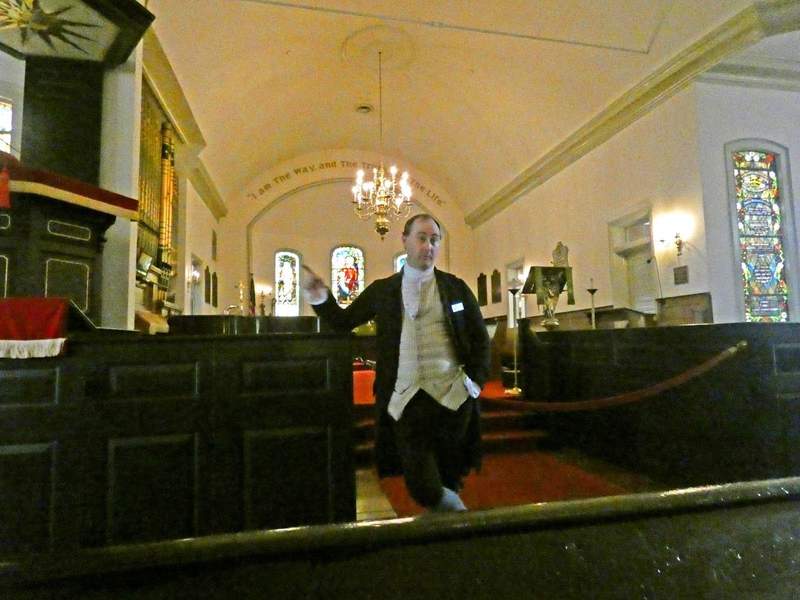
Why go: St. John’s Church is where Patrick Henry gave his famous speech that lit the spark of the American Revolution. It’s the city’s oldest church, opened on June 10th, 1741, and sits on the highest point in Richmond. The graveyard contains famous people. Edgar Allan Poe’s mother and George Wythe, the first Virginia signer of the “Declaration of Independence,” among others.
What not to miss: Take the“Liberty or Death” tour or reenactment. Andrew led our tour and explained why Patrick Henry favored separating from England.
American Civil War Museum
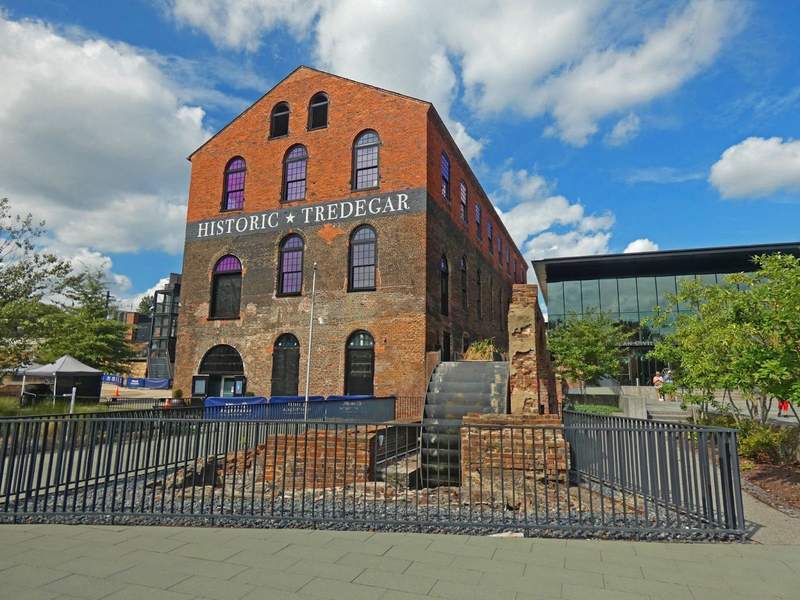
Why go: The American Civil War Museum is housed in the former Tredegar Ironworks. It’s an amazing museum that tells of the rise of the abolition movement, and John Brown’s raid to the 15th Amendment trying to grant African Americans the same rights as white Americans.
What not to miss: Starting out front, the cannons were made here at Tredegar. The 12-minute film in the Robbins Theater is a good introduction. The main exhibit, People’s Contest, tells of the causes leading to the war. The museum delves into the home front and the battles.
She Buys Travel Tip: When you leave the museum, walk across the street and cross the bridge to Brown’s Island.
Capitol

Why go: Virginia’s Capitol was designed by Thomas Jefferson in 1785 and is the first American State Capitol built after the Revolutionary War and the first public building in America modeled on a classical Roman temple. During the Civil War, it served as a meeting place for the Confederate Congress. Davis was inaugurated here in February 1862.
What not to miss: The Capitol is open to the public and has displays and government offices inside. I’d suggest taking the guided tour. I wish I’d had more time and taken it because there are some places that only the guided tour can enter.
She Buys Travel Tip: Take time to tour the ground also, as there is a beautiful monument to George Washington at the top surrounded by seven Virginians who aided in the Revolution.
Confederate White House
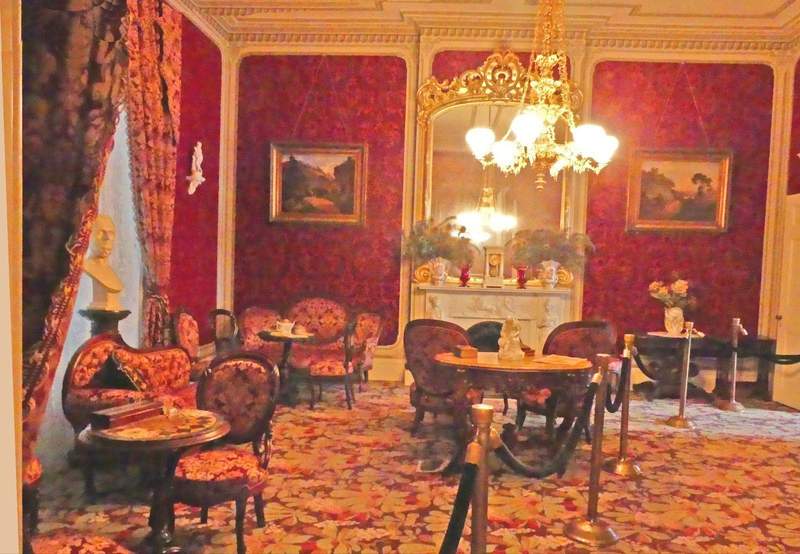
Why go: This was the home of Jefferson Davis, his wife and children while Richmond was the Confederacy’s capital. It is furnished as it was then, in an elegant Victorian style featuring a deep red in many rooms.
What not to miss: The tour takes you through two floors. All the fireplaces are gorgeous with heavy gold frames, but the “red marble” fireplace in the library is unbelievable. It’s really cast iron. A statue of a woman holding a lantern in the foyer is impressive. The children’s bedroom has toys that they played with. Even if you’re not interested in history, the decor is amazing.
Black History Museum
Why go: Appropriately, the Black History Museum is housed in Leigh Street Armory, the first armory built by Black Americans around 1895. It served as a Black militia base for four years, became a Black school and a social center for Black servicemen during World War II. Today, it strives to tell the complete Black history story.
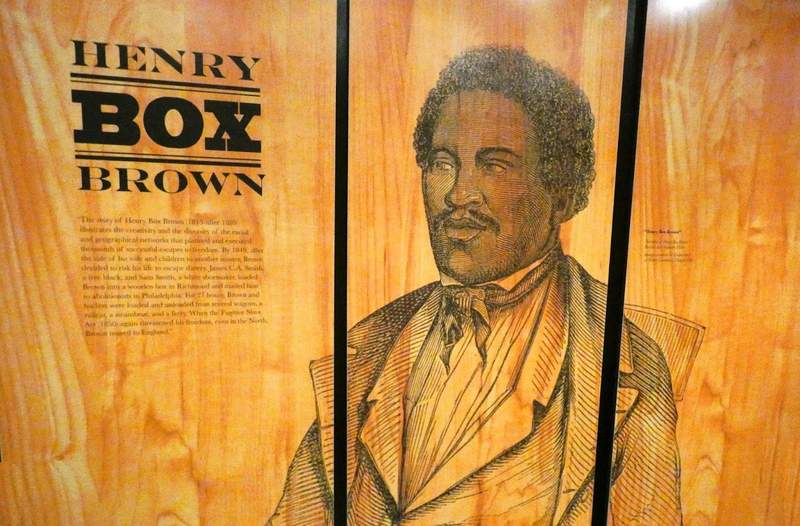
What not to miss: The exhibits are moving. A café displays an original Woolworth’s sign from the downtown counter where students held a sit-in seeking to be treated equally. Even the elevator tells the story of Henry Box Brown, who risked everything to escape enslavement by mailing himself in a box from Richmond to free territory.
The Holocaust Museum
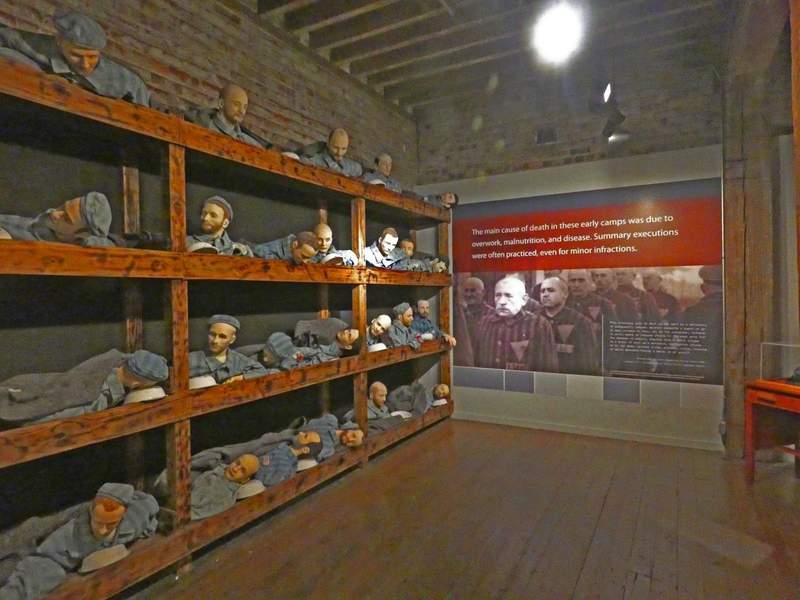
Why go: The Holocaust Museum shows what can happen when a country lets a dictator take control. It’s housed in a 1899 former American Tobacco warehouse, with cobblestones from the Warsaw Ghetto on the sidewall entrance. Step inside and follow railroad tracks from the rise of the Nazi party through the concentration camps to the gas chambers and crematoriums.
What not to miss: The new “ Dimensions in Testimony” hologram experience lets me ask questions to such a real-looking Halina Zimm, a Holocaust survivor. St. Louis exhibit, a German ship carrying Jewish refugees who were refused admittance to the US; men packed into bunks at Dachau Concentration Camp, Crematorium, but all exhibits are so moving.
She Buys Travel Tip: There is a free parking lot next to the river for this museum.
The Poe Museum
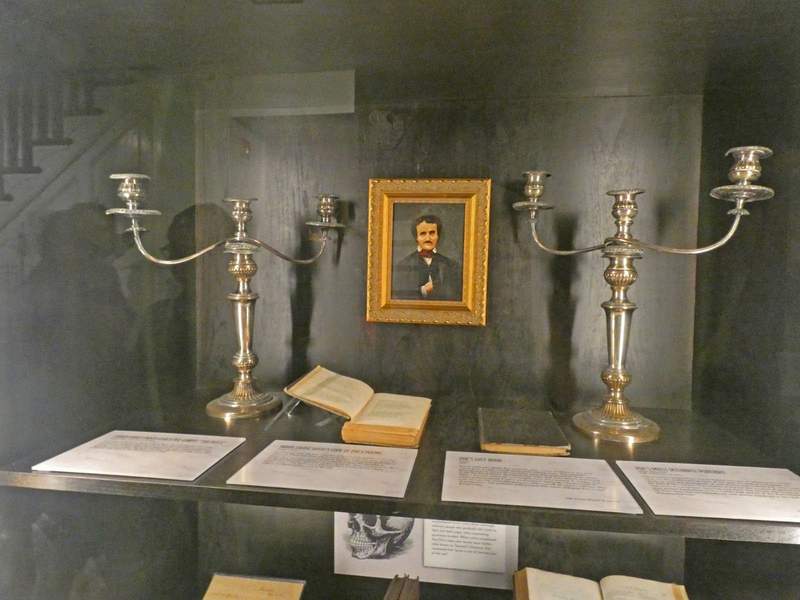
Why go: The Poe Museum remembers “The Godfather of Horror.” The museum has more artifacts and manuscripts about Poe than any other museum in the world. There’s a staircase from his childhood home, silverware, personal belongings of Poe’s, portraits and photos. Many items from the home of the Allans, who fostered him as a young orphan.
What not to miss: Be sure to meet Edgar and Tibs, the museum cats. If they’re having “Unhappy Hour,” it’s a fun event in the “Enchanted Garden.” Exhibits about his childhood are in the oldest residence in Richmond, The Old Stone House. In 1824, when Lafayette visited, Poe was in the Richmond Youth Honor Guard and stood guard at The Old Stone House.
Blue Atlas

Why go: When it’s time to dine, the Blue Atlas is a great choice. It’s housed in a former school and named like a map of world cuisine. Owner, Rachel Best, spent many years abroad before graduating from Auguste Escoffier School of Culinary Arts in Boulder, Colorado.
What not to miss: I love the tapas. They offer a way to sample and share food from around the world. The service is great; food is delicious; there is a full bar: what more could you ask? I’d recommend the Tom Kha Talay, a shrimp and mussels dish; Georgian Flatbread; and Jerked Chicken, but beware the chicken is very spicy. Try Pecan Coconut Pie for dessert.
The Commonwealth Hotel
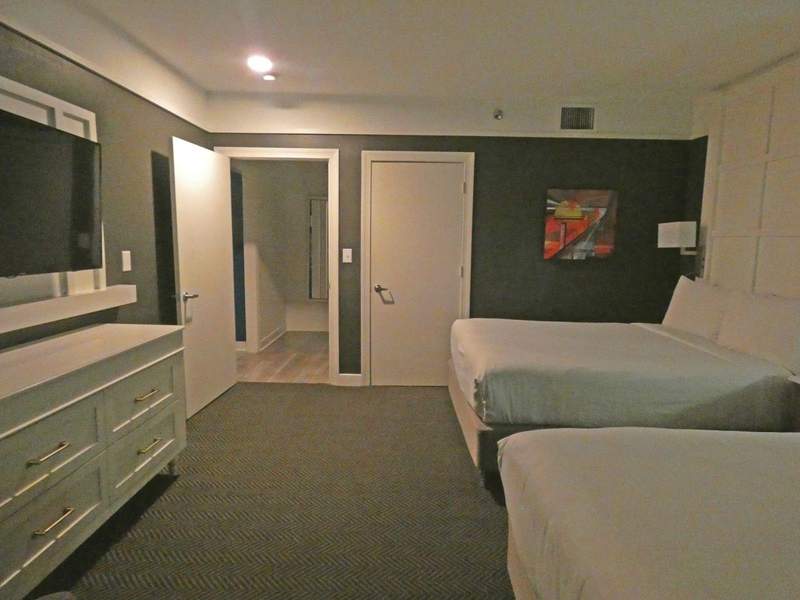
Why go: The Commonwealth has a history of over 110 years. Louis Rueger, a German emigrant, opened a saloon and café, but during the Civil War, it was taken as headquarters for the Navy commander. After the 1865 fire that destroyed much of Richmond, Ruegger rebuilt a hotel in 1901. His grandson, William, created a 10-story hotel in 1913, with 59 suites.
What not to miss: Each suite is unique, from the tattooed entrance doors to the hand-crafted art and furniture created by local artisans. Aside from the beauty and comfort of my suite, it’s located across the street from the Capitol. It has paid valet parking, but they are very considerate if you need your car to come and go often. The restaurant is named Ruegers.


Leave a Reply