
There’s something powerful about understanding where you come from. Maybe it’s the way your grandmother’s eyes light up when she talks about her childhood home. Or the curiosity you feel when you look through old family photographs. Whatever sparks your interest, you’re part of a growing movement of women who are choosing to travel not just for relaxation or adventure, but to connect with their family history.
Whether you’re traveling solo, with your mother, or introducing your kids to their lineage, this kind of journey connects you to a deeper version of yourself. It offers a chance to understand the choices, sacrifices, and dreams of the women who came before you and how their experiences shaped the opportunities you have today.
Why I Love Ancestral Travel
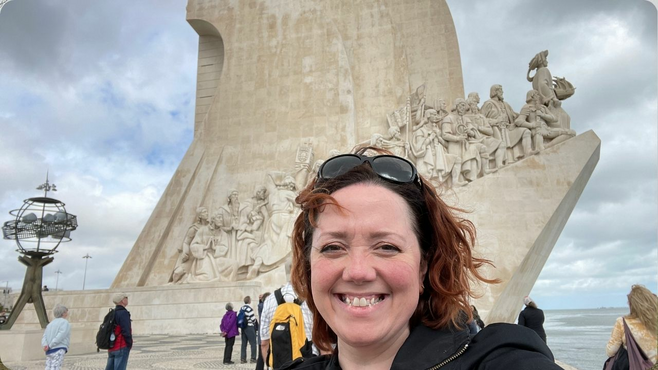
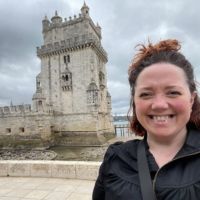
For me, ancestral travel has always been much closer than just a curiosity. My mom’s family came from Ireland, where she became the second generation born in the U.S. My dad’s side is Portuguese, making him the first generation born here.
Even with such a direct connection to my heritage, there was something that pulled me to visit Ireland and Portugal. Ireland ended up being my very first international trip, and I’ve since returned six times, often leading small groups of travelers excited to experience it for themselves.
Along the way, I’ve learned a lot; here are a few things that might help you plan a heritage trip of your own.
Let us inspire your travels! Sign up for our newsletter now.
SheBuysTravel Tip: Skip the airport stress — Lyft’s On-Time Pickup Promise guarantees your scheduled ride shows up within 10 minutes of your pickup time. If it doesn’t? You’ll get Lyft Cash. You can schedule up to 90 days in advance and even lock in your rate. Use code SBT25 to save 25% off ONE scheduled ride to the airport.
What is Ancestral Tourism and How Does it Connect with Genealogy?
Unlike general heritage tourism or genealogy trips that focus solely on research and records, ancestral travel is deeply personal, especially for women who carry the role of memory-keeper in the family.
Women are the ones most likely to preserve family recipes, maintain photo albums and remember the stories that get passed down through generations. This natural tendency makes ancestral travel particularly important for women seeking to understand not just their heritage, but their place within a bigger picture of female experiences.
Why Women Seek Their Family Origins
Let’s be real: the pull to explore where you come from doesn’t always come from curiosity. Sometimes it comes from a longing for answers, healing and connection.
Many women describe these trips as unexpectedly emotional. Tracing the lives of the women who came before us, especially the ones who history may have forgotten, can bring both joy and grief.
There’s something profound about standing in the same kitchen where your great-grandmother kneaded bread, or walking through the garden where she grew herbs for her family.
“After my father’s dementia diagnosis and while his memory was still intact, we planned a three-week, multi-generational adventure. In Mumbles, a seaside village in Wales. We visited cousins and listened to old family stories over tea. From there, we traveled to Helsingør, Denmark, to find the coastal home where my mother once lived. What began as a heritage trip became a chance to ground my children in their roots and give my father the quiet gift of recognition, while he still had the clarity to hold it.” – Luxury Travel Journalist Casandra Karpiak
Planning Your Heritage Journey
If you’re wondering where to start, don’t worry. The process might seem overwhelming at first, but breaking it down into these manageable steps makes it feel much more approachable.
Begin with the Women in Your Life
Your first and most valuable resource is sitting right at your kitchen table or just a phone call away. These conversations often reveal unexpected details about daily life, family dynamics and the challenges your ancestors faced.
Gather the Paper Trail
Once you have names, dates and stories, it’s time to dig into the documentation. Pull together birth and marriage records, immigration documents, letters and photos.
Use sites like Ancestry.com or FamilySearch.org to build your family tree and connect with other researchers working on the same family lines. Don’t get discouraged if some records are missing or hard to find; immigration records, in particular, can be incomplete or contain errors.
Consider a DNA Test
Services like 23andMe or AncestryDNA can help uncover regions and relatives you didn’t know about, especially when the paper trail runs cold. These tests can reveal ethnic backgrounds that weren’t passed down through family stories and connect you with distant cousins who might have additional information or photos.
The DNA results can also guide your travel planning by showing you which regions your ancestors called home.
Research Your Destination Thoroughly
Before you book your flights, spend time learning about the places you want to visit. Look for destinations with access to local archives, historical societies or active genealogy communities.
Some countries have special programs for returning descendants. Research local customs, learn a few phrases in the local language and familiarize yourself with the historical context of when your ancestors lived there.
Travel Safely, Especially if You’re Going Solo
Ancestral travel often takes you to small towns and rural areas that are off the typical tourist path. Plan your routes carefully, secure accommodations ahead of time and remember to share your location with trusted contacts back home.
Make sure you have comprehensive travel insurance, backup copies of important documents stored separately from originals and emergency contacts both at home and at your destination.
SheBuysTravel Tip: If you’re traveling solo, consider joining ancestry travel groups or connecting with local genealogy societies that can provide guidance. And read our tips for solo travel as a woman.
What Are the Most Common Destinations for Ancestry Tourists?
Ireland and Scotland
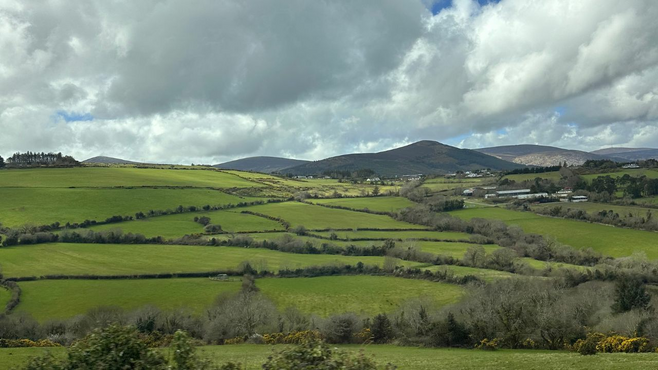
Both countries have strong recordkeeping systems and special programs designed to help visitors connect with their heritage.
Ireland’s EPIC The Irish Emigration Museum is an incredible opportunity to not only learn how your Irish ancestors may have emigrated but also connect with a genealogist who will help you with your research.
Scotland offers similar resources through various clan societies and heritage centers. The landscapes in both countries remain relatively unchanged in rural areas, allowing visitors to see something close to what their ancestors would have experienced.
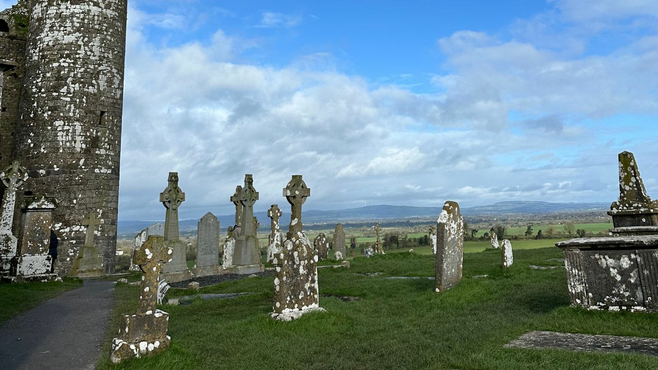
Personally, standing in the graveyard at the Rock of Cashel in Ireland, texting my mom a photo of a centuries-old gravestone bearing our family name was pretty surreal. There’s just something about that experience that makes all the stories very real.
Italy
Italian communities tend to have strong oral traditions, and many towns maintain detailed church records that can help trace family lines.
The food culture can be very important for many women, as recipes and cooking techniques often pass directly from grandmother to granddaughter.
France
France holds special significance for many families, especially those researching World War I and World War II memorial sites. The meticulous record-keeping of war graves and the preserved battlefields and memorials provide tangible connections to family members who served or lived through these conflicts.
Many French villages also maintain detailed records and have local historians who can help visitors understand the broader context of their ancestors’ lives.
“Traveling through northern France, we were looking for a way to get the kids connected to World War I history. Thanks to British and Canadian war graves records, we were able to find the graves of cousins of my grandfather and piece together their story. Finding the different cemeteries scattered around the Somme and seeing their family’s name on the memorials helped the kids tangibly understand that history in a whole new way.” – Amanda Luhn, Simply Awesome Trips
What Questions Should You Ask Older Relatives About Your Ancestry?
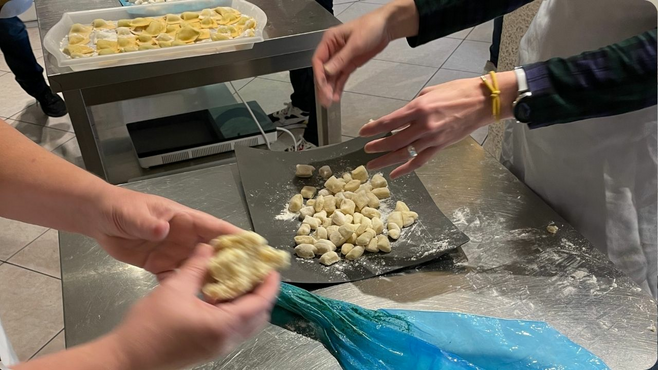
Before you dig into databases and archives, try starting closer to home. Sometimes the most revealing conversations happen over a cup of coffee.
“What were your grandparents like when you were little?”
These conversations might reveal that your great-grandmother was known for her healing remedies, or that everyone came to your great-grandfather for advice. Understanding their personalities helps you imagine what their lives were really like.
“Do you remember any family traditions we no longer do?”
Maybe your family had special Christmas traditions that reflected their country of origin, or perhaps there were specific ways of celebrating birthdays, religious holidays or seasonal changes.
“Were there any places that were special for our family?”
Your relatives might remember grandparents speaking fondly of a particular town, church or landscape feature. They might recall stories about a family home, a favorite walking path or a market where they shopped. These details can help you prioritize which places to visit and what to look for when you get there.
“Do you have any recipes, letters, or keepsakes from older generations?”
Family recipes can guide you to cooking classes or local restaurants serving traditional dishes. Letters might contain addresses, names of friends or descriptions of daily life. Keepsakes like jewelry, tools or clothing can help you understand your ancestors’ occupations, social status or personal interests.
How Can Women Follow in Their Family’s Footsteps with Ancestry Travel?
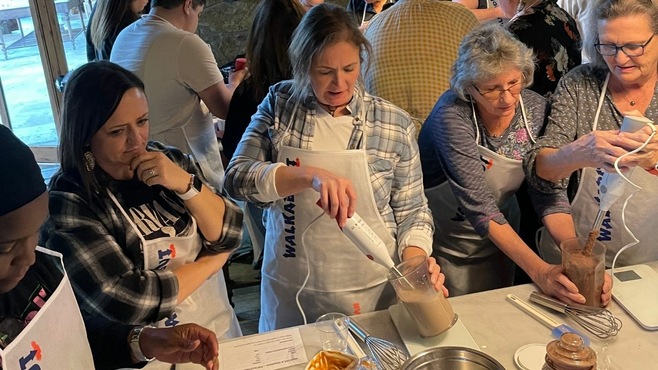
Join Local Cooking Classes
Food carries culture in ways that photographs and documents just can’t. When you learn to make pasta the way your Italian great-grandmother did, using techniques passed down through generations, you’re connecting with her daily experience.
“Visiting Parma, where my father immigrated from as a child, felt like stepping into my own story. As a food blogger, being in a city so rich in culinary tradition made the experience even more meaningful. Walking the same streets my family once did while tasting the flavors they grew up with brought everything full circle. It deepened my connection to both my roots and my work.” – Bella Bucchiotti at xoxoBella
Visit the Family Church, Village Market or Cemetery
These are places where your family lived their daily lives. Sit in the pew where your great-grandmother might have prayed every Sunday. Walk through the market where she bought vegetables for her family’s meals. Stand at her grave and leave flowers, sharing with her the story of the life she made possible. These moments of connection can be deeply moving and help you understand the rhythms of her life.
Take Part in a Regional Festival
Local celebrations often preserve traditions that go back centuries. Whether it’s a harvest festival, a religious celebration or a community gathering, participating helps you understand what brought joy and meaning to your ancestors’ lives.
Hire a Local Guide
Professional guides or local historians can provide context that transforms your understanding of your family’s experiences. They can explain what life was like during specific periods, point out architectural details you might miss and help you understand how historical events affected daily life in their community. These guides often have access to local records, stories and connections that aren’t available online.
Starting Your Own Heritage Journey
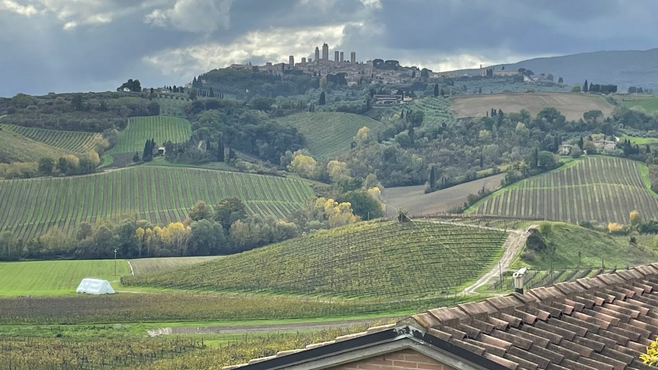
You don’t have to have it all figured out to begin with; start with a name or a story and follow where it leads. It might take you across the world or just across town to visit an elderly relative.
Sometimes the best moments come from unexpected encounters: a conversation with a stranger who recognizes your family name, a photograph in a local museum that looks a lot like your grandmother or simply the feeling of recognition when you turn a corner and see a landscape that feels like home.
In following the footsteps of the women who came before you, you’re not just honoring their memory; you’re reclaiming your own story and preparing to pass it on to the women who will come after you.
Read More:
- Best Countries to Visit with Kids in 2025
- The Best European Honeymoon Destinations
- What to Do When Your Expedited Passport Doesn’t Arrive in Time
- Avoid Looking Like a Tourist in Europe: Take This, Leave That
- Viking Mediterranean Odyssey Cruise Review: 13 Days, 6 Countries and Too Many Memories to Count

Leave a Reply